

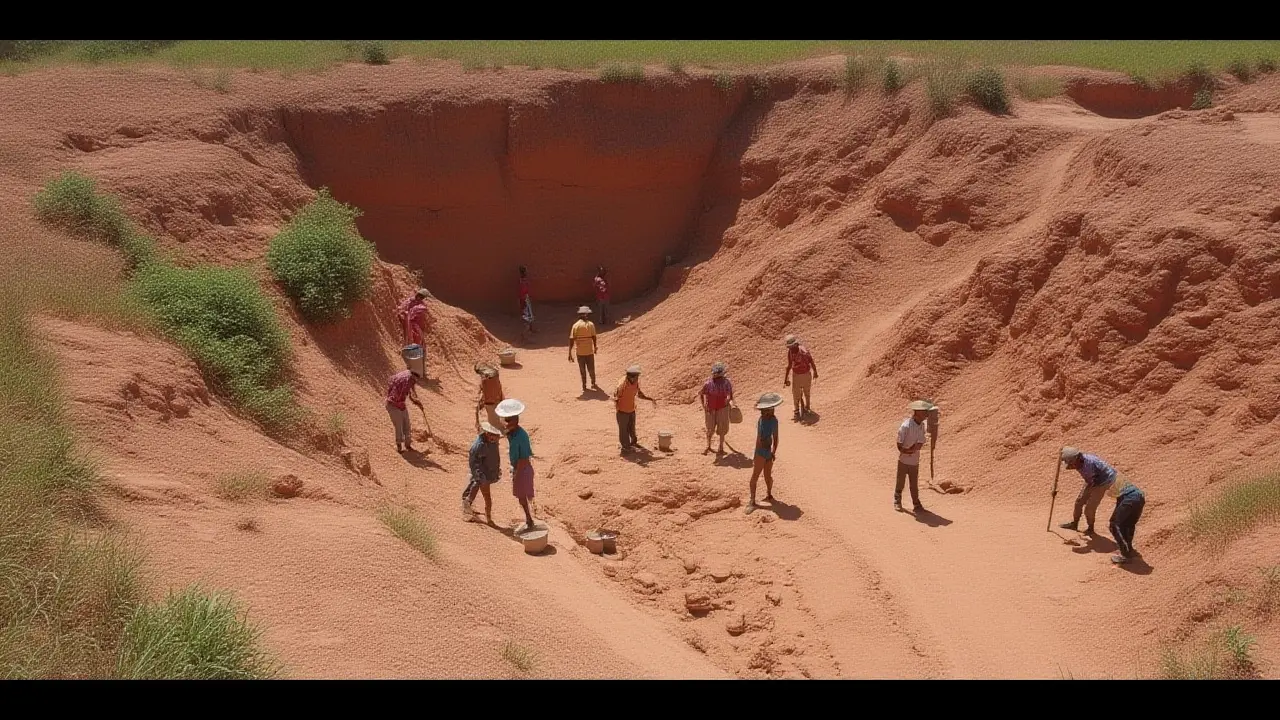
When the earth gave way at Garin-Liman, it didn't just swallow dirt and rock—it swallowed lives. On the Garin-Liman mine collapseMaradi region, a manually dug shaft collapsed on November 7, 2021, killing 18 people instantly and trapping dozens more underground. The disaster, which ultimately claimed 32 lives, laid bare the lethal reality of informal mining operations in West Africa.
The incident occurred in the Maradi region of the Republic of Niger, an area known for its proximity to the border with Nigeria. Rescue workers scrambled through the dust and debris for two days, pulling bodies from the rubble. By November 9, the death toll had risen significantly, with 13 of the victims confirmed as Nigerian nationals who had crossed the border seeking work. It’s a grim reminder that in the quest for gold, safety is often the first casualty.
A Cycle of Tragedy
Here’s the thing: this wasn’t an isolated freak accident. The same mine that collapsed in late 2021 did so again just a few months later. In February 2022, another collapse at the site killed five more miners. These recurring disasters highlight a systemic failure in regulating artisanal mining—a sector where manual labor replaces machinery, and intuition replaces engineering standards.
Artisanal mining is often illegal or unregulated in many countries, including parts of West Africa. Miners dig narrow, unstable tunnels without shoring them up, creating ticking time bombs beneath their feet. The lack of formal oversight means there are no safety inspections, no emergency protocols, and rarely any compensation for families left behind. When the ground gives way, the consequences are immediate and devastating.
Cross-Border Desperation
The human story here is one of economic desperation. Many of the miners were not locals but citizens of neighboring Nigeria, drawn across the border by the promise of quick riches. With limited opportunities at home, these men took immense risks in hopes of supporting their families. Thirteen of the 32 dead in the November 2021 collapse were Nigerians, underscoring how poverty drives people into dangerous, unregulated industries.
This cross-border dynamic complicates efforts to improve safety. Jurisdictional boundaries blur when workers migrate freely between countries, leaving regulatory gaps that exploit vulnerable populations. Governments struggle to enforce laws when mining operations exist in legal gray zones, often operating outside official channels entirely.
Legal Frameworks vs. Reality
While the tragedy unfolded in Niger, the broader context includes strict legal frameworks elsewhere in the region. For instance, under Nigerian law, all mineral resources within the country’s territory—including its land, rivers, and territorial waters—are vested in the federal government. Section 131 of relevant legislation explicitly addresses illegal mining, false declarations, and smuggling, imposing penalties on those who extract minerals without authorization.
Yet, despite such laws, enforcement remains weak. Property rights over minerals only transfer to individuals if extraction is done “lawfully,” according to statute. But what happens when thousands of miners operate informally, ignoring licensing requirements? They continue digging, unaware—or uncaring—of the legal risks until disaster strikes. The gap between policy and practice is where tragedies like Garin-Liman take root.
Why This Matters Now
The ripple effects of this disaster extend far beyond the immediate vicinity of the mine. Families lose breadwinners; communities bear the emotional toll; governments face pressure to act. Yet, meaningful change requires more than rhetoric. Formalizing artisanal mining isn’t just about regulation—it’s about providing safer alternatives, training, and support for small-scale operators.
Experts argue that integrating informal miners into the formal economy could reduce accidents while boosting local economies. However, progress has been slow. Without significant investment in infrastructure, education, and enforcement, similar collapses will likely continue occurring across the region.
What’s Next?
In the wake of the Garin-Liman disaster, calls for reform have grown louder. Advocacy groups are pushing for stricter regulations, better working conditions, and increased funding for rescue operations. Meanwhile, some NGOs are working directly with miners to promote safer practices, offering tools and training to help stabilize tunnels and prevent future collapses.
But real change takes time. Until then, the risk remains high. Every day, hundreds of miners descend into dark, unstable shafts, hoping against hope that today won’t be the day the earth opens up beneath them.
Frequently Asked Questions
How many people died in the Garin-Liman mine collapse?
A total of 32 people died in the initial collapse on November 7, 2021, with the death toll rising after rescue efforts continued for several days. An additional five fatalities occurred during a second collapse at the same site in February 2022.
Where did the Garin-Liman mine collapse occur?
The collapse happened in the Garin-Liman mining area, located in the Maradi region of the Republic of Niger, near the border with Nigeria. This location is known for informal and often illegal artisanal mining activities.
Were any Nigerian citizens among the victims?
Yes, 13 of the 32 victims in the November 2021 collapse were Nigerian nationals who had traveled across the border to work in the mines. Their presence highlights the cross-border nature of informal mining in the region.
Is artisanal mining illegal in Niger?
Artisanal mining is often conducted illegally or without proper regulation in many parts of West Africa, including Niger. Lack of oversight contributes to unsafe working conditions and increases the likelihood of catastrophic accidents like mine collapses.
Has anything changed since the 2021 collapse?
Efforts to formalize artisanal mining and improve safety standards have gained momentum following the disaster. However, implementation remains challenging due to limited resources and entrenched informal practices in the sector.