
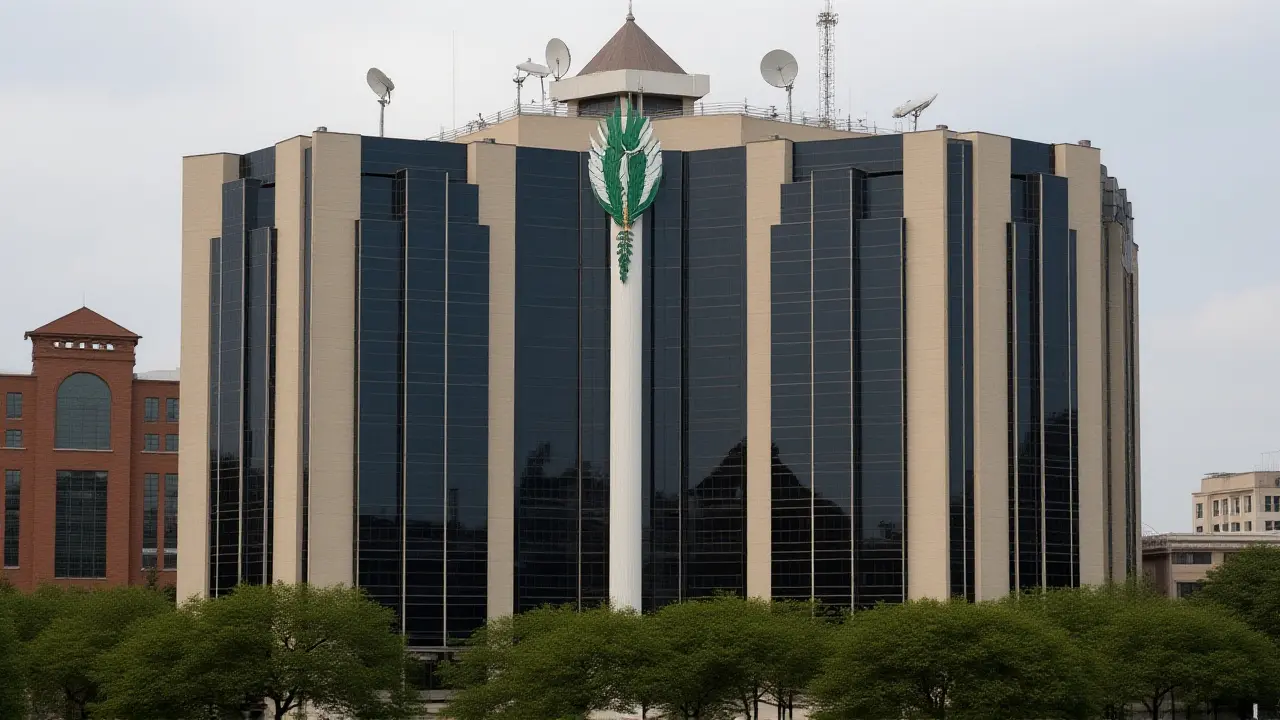
Things are changing for Nigerians sending money home, and there’s no going back. The Central Bank of Nigeria (CBN) has officially mandated that all international money transfer operators stop paying out in foreign currency, forcing a complete shift to local currency settlement by next year. The directive kicks off on May 1, 2026, meaning beneficiaries will receive their funds in naira instead of dollars. This isn’t just a minor tweak to the financial manual; it’s a structural overhaul designed to plug leaks in the foreign exchange market while deepening liquidity.
The Mechanics of the New Directive
The instruction came via a circular signed by Musa Nakorji, Director of the Trade and Exchange Department. Under the new framework, IMTOs—companies like Western Union or Ria—must open designated naira settlement accounts with authorised dealer banks. Here’s the thing: they can’t hold onto the dollars anymore once the transfer hits the Nigerian banking system. Every transaction, from receipt to payout, gets routed through these specific local currency accounts.
Previously, recipients had some flexibility to access funds in foreign currency if available, but that option is effectively being removed. The central bank insists this move enhances transparency. By routing everything through authorised channels, regulators can track exactly how much money flows into the country versus how much stays on the books. It also forces IMTOs to align their exchange rates with real-time data from Bloomberg BMatch, reducing the arbitrage gaps that often plague the parallel market.
Cardoso’s Broader Reform Agenda
You can’t look at this policy in isolation. It’s a direct component of the reform blueprint laid out by Olayemi Cardoso, Governor of the Central Bank. Back in November 2023, he announced plans for an Inflation Targeting Framework, signaling a pivot toward stricter monetary discipline. The remittance rule is essentially another brick in that wall. The goal is to stabilize the naira by ensuring that foreign inflows contribute directly to domestic liquidity rather than getting parked offshore immediately.
This follows a series of aggressive regulatory shifts. On October 28, 2024, the CBN partnered with the International Finance Corporation—a member of the World Bank Group—to unlock over $1 billion in local currency financing. That agreement, signed on the sidelines of the IMF Meetings in Washington D.C., prioritizes sectors like agriculture and infrastructure. The logic is consistent across all these moves: reduce dependency on dollar scarcity and force capital into productive local enterprises.
Impact on Cash Usage and Banking
While remittance is the headline story, the regulator is also tightening the screws on physical cash usage. A circular issued on December 2, 2025, introduced strict weekly withdrawal limits. Individuals are capped at N500,000 per week, while corporate organisations face a N5 million limit. Exceeding these thresholds triggers penalties—a 3 percent charge for individuals and 5 percent for corporates. These excess-cash fees are shared between the CBN and the financial institutions involved, creating a financial disincentive against hoarding physical notes.
Banks have been scrambling to meet capital requirements amidst these changes. As of March 26, 2026, Nigerian banks raised a combined N4.61 trillion in fresh capital ahead of the recapitalization deadline set for March 31, 2026. This ensures the banking sector is robust enough to handle the increased volume of transactional scrutiny required by the new remittance laws. If banks don’t comply with record-keeping standards, they risk sanctions related to anti-money laundering protocols.
Timeline of Regulatory Shifts
To understand the pace, you have to look at the calendar. The "Naira 4 Dollar Scheme," originally launched on May 6, 2021, was the precursor to today’s mandate. It was extended until further notice back then to incentivize sending dollars home. However, the government later announced a further extension on January 26, 2026, serving as a transition period before the hard cutoff. Since July 22, 2024, the Standing Lending Facility (SLF) was also lifted, allowing deposit money banks to access short-term liquidity through the S4 system at a 31.75 percent interest rate. Each move builds toward a more formalized market environment.
Frequently Asked Questions
Who is affected by the May 2026 Naira settlement rule?
The directive targets all International Money Transfer Operators (IMTOs) operating in Nigeria, including companies like Western Union, MoneyGram, and PayPal partners. End beneficiaries—family members or businesses in Nigeria receiving money from the diaspora—will see the biggest change. Instead of receiving dollars, which they might convert at the black market, they will get naira deposited directly into their bank accounts at regulated rates.
When exactly does the new policy take effect?
The mandatory naira settlement becomes effective on May 1, 2026. However, the CBN previously signaled a transition period by extending incentives on January 26, 2026, giving operators roughly three months to finalize their settlement accounts with authorized dealer banks. Operators must notify the regulator of these accounts before the deadline to avoid penalties.
What happens if I want to keep my money in dollars?
Under the new framework, IMTOs are no longer permitted to pay out beneficiaries in foreign currency. While you can ask your recipient to maintain a domiciliary account, the payout itself from the remittance service must be converted to naira upon entry. The CBN aims to capture this foreign exchange for official market circulation rather than private retention.
Are there penalties for non-compliance for banks?
Yes, strict adherence to anti-money laundering and counter-terrorism financing regulations is mandatory. Banks failing to maintain proper records or bypass the settlement accounts could face regulatory sanctions. Additionally, unauthorized handling of large cash volumes beyond the N500,000 individual weekly limit attracts excess cash charges of 3 percent.



its actually a smart move considering how much cash gets lost in the shadows when people convert themselves the directive forces transparency because every transaction hits the official books so liquidity stays inside the country longer this helps stabilize rates which benefits everyone who pays for goods locally
this is just another way for the govt to control what u have
i agree with gary here teh goverment needs to see where money goes honestly its safer to get naira than worry about black market rates messing up your budget planning for family back home
The macroeconomic implications of shifting settlement protocols are profound. By forcing naira conversion, we reduce external leakage significantly. Liquidity depth within the domestic sphere will naturally expand. Central bank governors often prioritize currency stability over individual preference. This specific mandate aligns with broader inflation targeting frameworks. Foreign exchange volatility tends to decrease when parallel markets lose volume. Authorized dealer banks become the primary gatekeepers for capital flow. Transparency in tracking money movement improves regulatory oversight capabilities. We must consider the velocity of money in relation to these structural changes. The removal of dollar payout options eliminates arbitrage opportunities effectively. Exchange rate mechanisms will rely heavily on Bloomberg BMatch data now. Institutional investors might view this as a stabilization signal. However, smaller entities could face friction costs during transition periods. Historical precedents suggest such mandates take years to fully normalize market behavior. Ultimately, the fiscal architecture relies on compliance enforcement consistency.
stop saying things r bad becuse u dont understand economics its immoral to think u deserve money in dollars just becuse u want it people should do their part to fix nigeria u know nothing
waste of time really the central bank always messes stuff up and then tells us its for our own good i bet they gonna lose track of half the cash and blame us for errors
It is evident that regulations serve the public good even if transition periods are difficult one must respect institutional expertise when managing national reserves
it is nice that families will feel more secure knowing funds arrive safely in local currency lets focus on helping elders adapt to the new app systems :) we can share tips on using the banks correctly
banks are prepared well enough 🏦 you just need to ensure your account details match the beneficiary records 💰
why do we keep letting politicians decide how our money moves stop wasting time and give us choices :P