
It was a day of stark contrasts at the 2026 FIFA World CupNorth America. On Sunday, June 21, football’s biggest stage delivered everything from ruthless efficiency to gritty stalemates. Japan and Spain both posted emphatic 4-0 victories, while the tournament’s narrative shifted toward the co-hosts who are finally finding their rhythm.
The action spanned three countries, with matches kicking off across the United States, Canada, and Mexico. But beyond the scorelines, the real story is how the group stage is shaping up for the knockout rounds starting on June 28. Here’s what happened on day 11, and why it matters for the rest of the tournament.
Efficiency Over Drama in Group F and H
In Monterrey, Mexico, Japan didn’t just beat Tunisia; they dismantled them. The 4-0 victory at Estadio BBVA was a statement of intent. After a shaky start to many tournaments, Japan looked sharp, organized, and dangerous. It wasn’t pretty in every sense, but it was effective. For a team that often relies on technical flair, this display of physical dominance suggests they’re ready for the harder battles ahead.
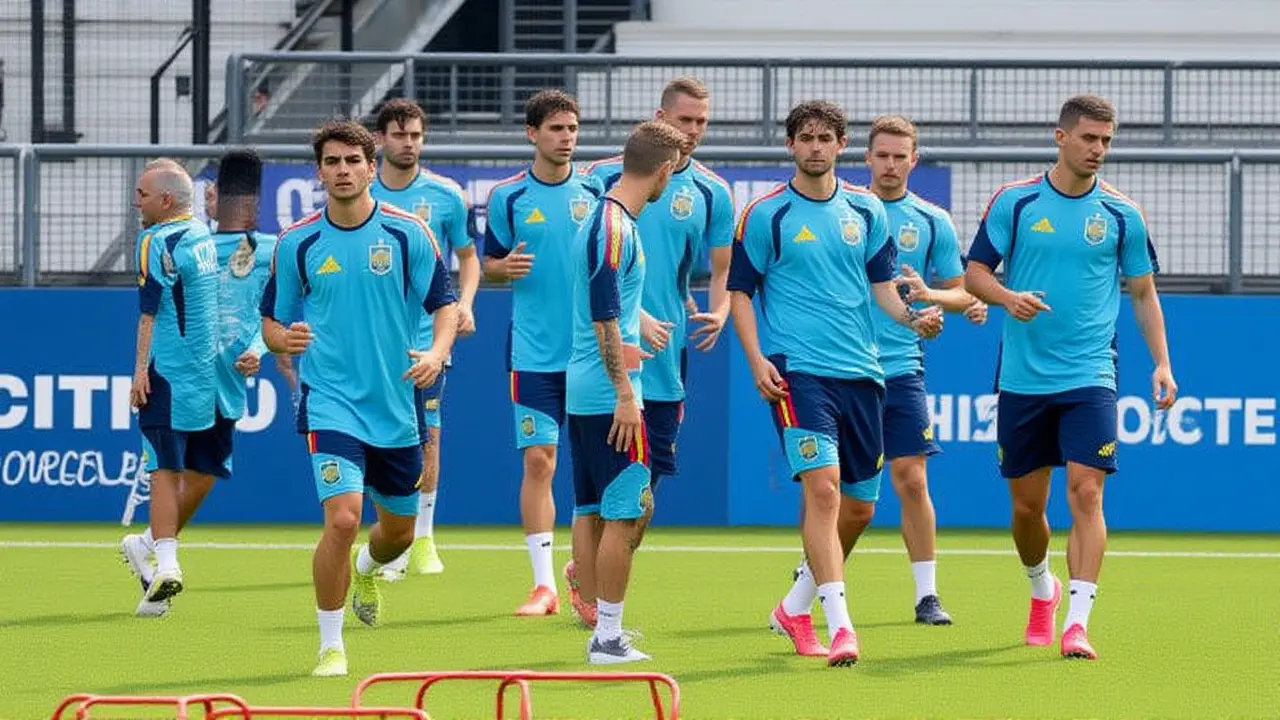
Meanwhile, in Atlanta, Spain righted the ship. After being held to a frustrating 0-0 draw by newcomers Cape Verde in their opener, La Roja needed a response. They got it against Saudi Arabia at Mercedes-Benz Stadium. Another 4-0 win. It’s the kind of result that silences critics who questioned Spain’s depth after that first-game stalemate. If they can replicate this intensity against Uruguay later in the group, they’ll be serious contenders.
But not everyone found the back of the net. In Inglewood, California, Belgium and Iran played out a tense 0-0 draw at SoFi Stadium. It was a tactical chess match where neither side wanted to make the first mistake. For Belgium, it’s another point, but not the dominant performance they’d hoped for after an earlier setback. Iran, meanwhile, proved they belong on this stage, showing resilience that will serve them well in the knockout stages.
The Cape Verde Enigma and Group Standings
Then there’s the case of Cape Verde. In Miami Gardens, they faced Uruguay, the traditional powerhouse of South American football. The result? A draw. But here’s the twist: reports vary. Some sources say 1-1, others claim 2-2. Regardless of the exact number, the outcome is the same: Cape Verde took points off Uruguay.
This isn’t just about one game. Cape Verde, along with Curaçao, has become the tournament’s unlikely hero. These smaller nations are proving that the gap between the elite and the rest is closing. When Curaçao became the smallest nation ever to win a point at the World Cup earlier in the tournament, it signaled a shift. Now, Cape Verde is doing the same. It’s a reminder that in a single-elimination format, any team can upset the odds.
In Vancouver, Egypt beat New Zealand 3-1. It was a crucial win for Egypt, who needed to solidify their position in Group G. New Zealand, despite leading the group early, couldn’t hold on. This result keeps the group tight, with Belgium, Iran, New Zealand, and Egypt all separated by narrow margins. One slip-up could cost them dearly.

Co-Hosts Finding Their Footing
While the European and Asian teams were making headlines, the co-hosts were quietly building momentum. Mexico has been particularly impressive. After beating South Africa 2-0 and South Korea 1-0, they crushed Czechia 3-0 to finish the group stage unbeaten. But the real headline came later, when Mexico ended a 40-year drought by winning a knockout match. Defeating Ecuador 2-0 in front of 80,824 fans at Azteca Stadium in Mexico City was more than just a win; it was emotional catharsis for a nation tired of heartbreak.
Canada also showed promise, defeating Qatar 6-0 in a display of attacking football that surprised many pundits. And the United States, having opened with a win over Paraguay, are preparing for tough tests against Australia and Türkiye. All three co-hosts are proving that hosting the World Cup isn’t just about logistics; it’s about performance.
What’s Next: Knockout Rounds Begin June 28
The group stage is winding down, and the stakes are rising. With the knockout rounds starting on June 28, teams are finalizing their strategies. Japan and Spain look strong, but they’ll face tougher opposition. Belgium and Iran need to navigate a congested schedule, while Egypt and New Zealand are fighting for survival.
For fans, the next two weeks will be intense. ESPN, Fox, FS1, Peacock, and Telemundo are broadcasting the matches, ensuring that no moment is missed. But beyond the broadcasts, the story of the 2026 World Cup is one of unpredictability. From Cape Verde’s rise to Mexico’s redemption, this tournament is delivering drama in ways few expected.
Frequently Asked Questions
Who won the key matches on June 21, 2026?
Japan defeated Tunisia 4-0 in Monterrey, and Spain beat Saudi Arabia 4-0 in Atlanta. Egypt won 3-1 against New Zealand in Vancouver, while Belgium and Iran drew 0-0 in Inglewood. Uruguay and Cape Verde also drew, though reports differ on whether it was 1-1 or 2-2.
Why is Cape Verde’s performance significant?
Cape Verde, along with Curaçao, represents the emergence of smaller nations in the World Cup. By drawing with Uruguay, Cape Verde proved that underdogs can compete with top-tier teams, challenging the traditional hierarchy of international football.
How are the co-hosts performing?
Mexico has been the standout, finishing the group stage unbeaten and ending a 40-year knockout drought with a win over Ecuador. Canada defeated Qatar 6-0, showing attacking prowess, while the US secured an opening win over Paraguay and faces tough upcoming matches.
When do the knockout rounds begin?
The knockout rounds of the 2026 FIFA World Cup start on June 28. Teams that advance from the group stage will begin elimination play on this date, marking the transition to the high-stakes phase of the tournament.
Where can I watch the matches?
Matches are broadcast on Fox, FS1, Peacock, and Telemundo in the US. ESPN also provides extensive studio coverage, including shows like "ESPN FC World Cup Morning Show" and "SportsCenter," offering analysis and live updates throughout the day.


The tactical discipline displayed by Japan is simply remarkable, isn't it?; they have transformed from a team of flair to a machine of efficiency.!! This shift in mentality is what separates good teams from great ones.!!! I believe this will be the defining characteristic of their campaign.!!!!
it's obvious the media is pushing a narrative about co-hosts because they need ratings and people are bored with the actual football being played out there which is mostly just running around for ninety minutes without scoring anything interesting or meaningful at all
You're missing the point entirely because you're too busy looking for conspiracies instead of watching the game. The stats don't lie and neither does the performance on the pitch. Stop trying to discredit every positive outcome with your cynical worldview.
stats are manipulated by algorithms designed to keep us engaged while the real power structures remain untouched and we are fed this digital pacifier to distract us from the decay of society
It is quite fascinating to observe how smaller nations like Cape Verde are challenging the established order of international football. Their resilience serves as an inspiration to many developing football cultures around the world who look up to them as role models for perseverance and strategic brilliance in the face of overwhelming odds.
i love seeing underdogs rise up it feels so good to see that talent can come from anywhere not just the big european leagues everyone should support these smaller teams because they bring heart and soul to the game
Spain needs to focus on defense if they want to go deep. Attacking prowess means nothing if you leak goals against Uruguay.
One must consider the moral implications of such aggressive play styles. Is it truly honorable to dismantle an opponent with such ruthless efficiency? Perhaps there is more value in the struggle than the victory itself.
Football is a competitive sport not a moral philosophy class. Win the game or go home. That is the only rule that matters here.
How utterly delightful to see Mexico finally break that curse. It was becoming rather tedious to hear the same complaints year after year. One might almost say it was inevitable given their current form, though I suppose some still cling to outdated notions of superiority.
Just chilling and enjoying the vibes of the tournament so far. The atmosphere in the stadiums looks insane especially during the Mexico games. Good to see people actually having fun again.
The xG metrics clearly indicate that Spain's dominance is statistically anomalous and likely unsustainable over a larger sample size. Their possession-based model is inefficient against low-block defenses as evidenced by the Cape Verde draw which suggests a fundamental flaw in their transitional defensive structure.
We should celebrate the diversity of styles on display. Whether it is the physicality of Japan or the technical skill of Spain each approach has its own beauty and validity in the grand tapestry of the beautiful game.
Your romanticization of the sport ignores the cold hard data. Efficiency is the only metric that matters in modern football analytics and Spain is failing to optimize their expected threat levels.
Let us welcome all fans into this conversation!; whether you support the hosts or the visitors your passion is what makes this event special.!! We are all united by our love for the game.!!! Let us encourage one another and share in the joy of these historic moments.!!!!
I think we should just let the players speak for themselves through their actions on the field. No need for too much analysis sometimes the simple joy of watching a goal is enough.
The energy from the crowds is absolutely electric and it really shows in the performances of the home teams. It is wonderful to see such vibrant colors and passionate singing filling the airwaves.
One could argue that the concept of a 'host advantage' is merely a psychological construct imposed by the media to generate hype. In reality, the pressure of playing at home often leads to underperformance due to the heightened expectations placed upon the players by their national fanbases.
It is with a profound sense of melancholy that I observe the fleeting nature of sporting triumphs, for what is a victory but a momentary respite from the eternal void of existence? The cheers of the crowd fade into silence, leaving only the echo of our collective longing for meaning in a chaotic universe where even the most skilled athletes are but pawns in a larger, incomprehensible design.
Come on guys let's get hyped for the knockout rounds!!! The best is yet to come and we need to bring the noise!!! Who is ready to watch some epic football??? 🙌🔥⚽