
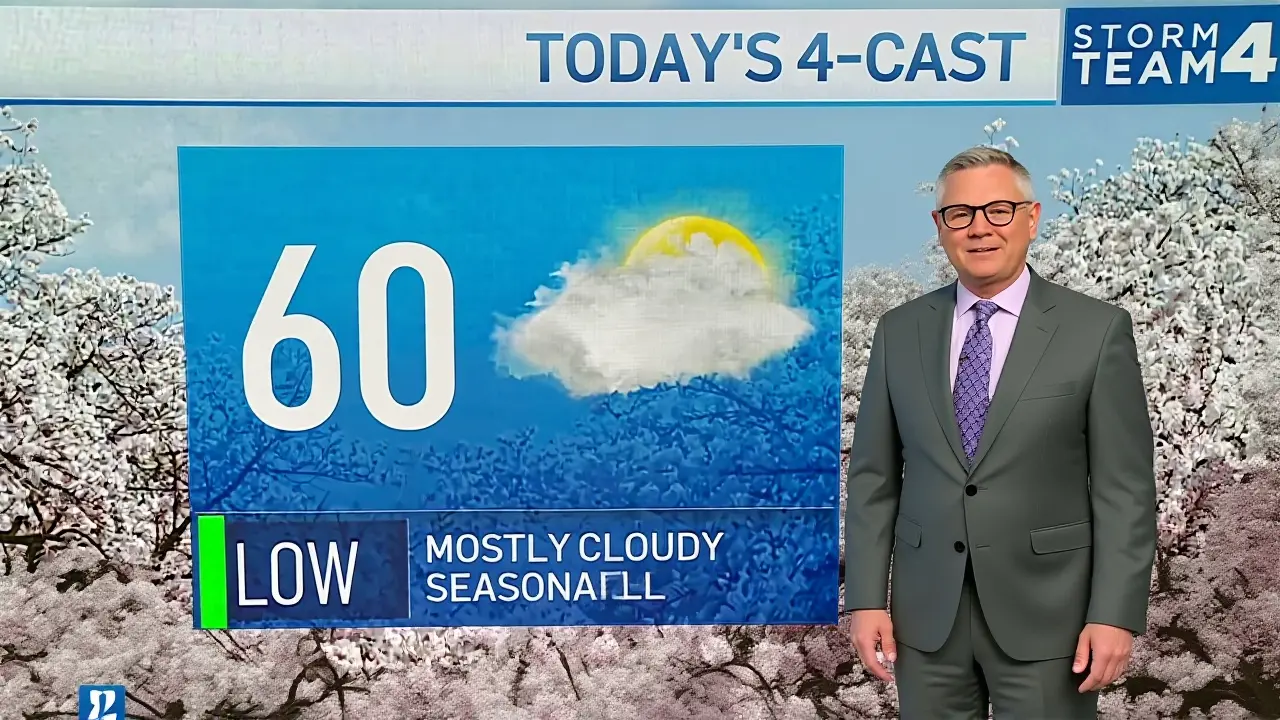
It’s already sweltering out there. Just past noon on Thursday, March 26, 2026, temperatures climbed to 95°F in the desert city. Most residents weren’t expecting such a spike this early in the year. The sun beat down hard on the valley floor, turning the streets into radiators before lunch even finished.
We got detailed readings from McCarran International Airport. They serve as our primary weather eye for the region. Their station read 95.0°F exactly. Humidity was practically non-existent at just 12%. That makes it feel manageable, unlike the sticky heat we see in July. Winds were calm too, blowing gently from the west at 11.5 mph. There was zero chance of rain, which means the ground continues baking under direct sunlight.
Breaking Down the Meteorological Data
The raw numbers tell a story typical of our arid climate, though the timing catches people off guard. The dew point sat low at 35.1°F. For those who aren’t weather junkies, that basically means no moisture in the air to hold onto heat once the sun dips. Visibility stretched over 10 miles, offering crisp views of the Red Rock cliffs, despite the oppressive warmth.
Barometric pressure was steady at 29.81 inHg, indicating a stable high-pressure system. In layman’s terms, that’s why the sky stays blue. Cloud cover remained minimal, barely reaching 25,000 feet up. When you factor in the UV Index hitting a 4 in surrounding areas like North Las Vegas, you realize sunburn is a real risk even in springtime.
A Month Defined by Rapid Warming
Turns out, this isn’t an isolated incident. If you track the timeline for March 2026, the shift is dramatic. During the first ten days of the month, we were still bundling up. Temperatures ranged from chilly mornings of 47°F to mild afternoons peaking around 78°F. It felt like standard transition weather. Jackets were necessary, coats came out, and everyone expected another cold snap.
Then the flip switched. Mid-March brought a rapid ascent. By the 20th of the month, highs broke past 90°F consistently. Today’s reading follows a peak set yesterday on March 25, where temps hit 97°F. This trajectory suggests the summer season is arriving roughly two weeks ahead of schedule. Local climatologists note that the average for this date is usually closer to 80°F. We are running about 15 degrees warmer than historical norms for late March.
Implications for Residents and Travelers
So, what does this mean for your weekend plans? It means hydration is non-negotiable. Walking outside for long periods requires water bottles, not just because of thirst, but because evaporation is happening rapidly due to that 12% humidity level. AccuWeather, which provided the monthly forecast model, indicates these dry conditions will persist through the end of the week.
If you are staying in northern parts of the county, specifically near North Las Vegas, you might find it slightly cooler, hovering around 88°F during the day. However, the overall trend across the metropolitan area remains consistent. Drivers should also watch for thermal mirages on the highway. With the road surface reaching extreme temperatures, visual distortions are becoming common hazards for commuters heading toward downtown Las Vegas.
We haven’t seen precipitation since the start of the month. In fact, typical Nevada spring months usually bring around 0.7 inches of rain total. We are tracking well below that threshold again. The lack of cloud cover means nights won’t cool down much either. Overnight lows are holding steady near 66°F instead of dropping into the 40s like they did back on March 5.
Frequently Asked Questions
Is 95°F normal for late March in Las Vegas?
No, this is considered unusually warm for the date. Historical averages for March typically hover between 70°F and 80°F. While heat waves occur, sustaining 95°F this early signals an aggressive seasonal transition, likely influenced by broader climate patterns affecting the Southwest United States.
Will rain come before April starts?
According to current models from major forecasting organizations, the probability remains at 0% for the immediate future. The prevailing high-pressure ridge is keeping storm systems northward. Don’t plan on any irrigation relief until perhaps early next month.
Does the low humidity make the heat safer?
Yes, technically. At 12% humidity, sweat evaporates efficiently, helping regulate body temperature naturally. However, dehydration happens faster because you lose fluids quickly. You must drink proactively rather than waiting until you feel thirsty, as the dry air masks physical signs of strain.
Why is the weather changing so fast compared to February?
February often retains winter patterns longer, but late March marks the period when daylight hours significantly increase. More solar radiation hits the desert basin. Combined with weak jet stream activity preventing cold fronts from dipping south, the temperature rises sharply once the angle of the sun steepens.




Its getting reallly hot here and i think we shold drink water more often
The meteorological patterns we observe today are shifting rapidly.
High pressure systems dominate the atmospheric profile significantly.
Thermal inversions are becoming less common during these early months.
Solar radiation intensity increases exponentially with the seasonal angle.
Evaporative cooling remains efficient due to the low moisture index.
However, dehydration risks spike when fluid intake lags behind loss.
Body temperature regulation relies heavily on sweat evaporation rates.
Urban heat island effects exacerbate the ambient readings near downtown areas.
Pavement temperatures often exceed air temperatures by significant margins.
Humidity levels below fifteen percent alter perceived exertion thresholds drastically.
Residents must adapt their outdoor activity schedules accordingly.
Hydration protocols need to be proactive rather than reactive measures.
Infrastructure strains appear minimal despite the sudden thermal stress.
Historical data suggests this trend aligns with broader climate models.
Future forecasts indicate persistence of these dry conditions through summer.
This analysis covers the primary physical mechanisms at play.
They are trying to test us with these heat waves intentionally.
There is a pattern in the way the sun hits the valley floor.
Standard explanations hide the real signal in the data.
We must watch the grid usage closely for anomalies.
We should stay positive :) Safety first always! 😊
Think of it as early summer prep time.
Stay cool and take care :)
Carry water everywhere you go outside.
Bottles fill up fast in this kind of humidity.
Check your electrolyte intake daily.
Shade is important for midday walks.
Pressure is high so clouds won't come soon.
The system is locked in place for the week.
Look at the satellite imagery for confirmation.
People complain too much..!!!!!! They need to toughen up!
Life is hard in the desert....!!!! Adapt or perish!
It is your civic duty to remain hydrated......!!!! Neglect leads to suffering.
Self care is a moral obligation in extreme weather......!!!!
Lets face the heat headon and win this day.
You can handle any temperture if you believe in your strength!
Take care of yourselves out there friends.
I hope everyone stays safe and healthy today.
One wonders how things will evolve further down the line.
The path ahead seems uncertain for the average person.
How surprising that nature behaves unexpectedly again.
Perhaps we should not have assumed stability.
dont forget ur suncream today.
burning happens faster then usual in this dry air.
The barometric pressure indicates stability.
No fronts are moving into the region soon.
We must adapt our schedule now.
Morning activities are better suited for this environment.
Data confirms the anomaly in trends.
Records show deviations from the norm.